
Eco-Friendly Housekeeping Tips for a Greener Home
Introduction to Eco-Friendly Housekeeping
Embracing eco-friendly housekeeping not only benefits the environment but also enhances the health and well-being of your household. By making a few simple changes, you can create a greener home that’s both sustainable and efficient. Let’s explore some practical tips to get started on your eco-friendly journey.
Use Natural Cleaning Products
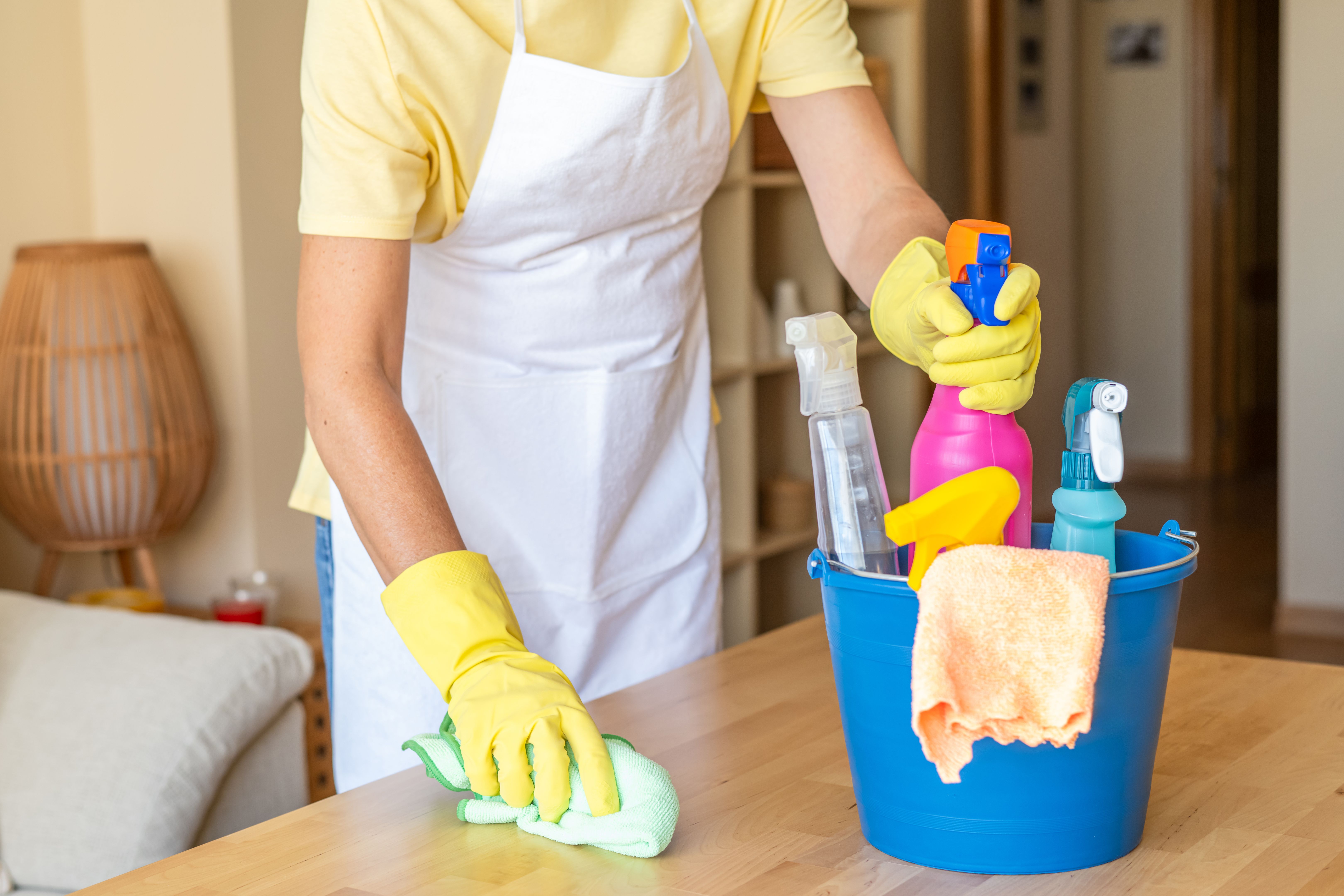
One of the easiest ways to make your home greener is by switching to natural cleaning products. Many commercial cleaners contain harsh chemicals that can harm the environment and your health. Opt for products made from natural ingredients like vinegar, baking soda, and essential oils. These alternatives are just as effective and much safer for your home.
DIY Cleaning Solutions
Creating your own cleaning solutions is both cost-effective and eco-friendly. For instance, a mixture of vinegar and water makes an excellent all-purpose cleaner, while baking soda can tackle tough stains and odors. Experiment with different combinations to find what works best for your cleaning needs.
Reduce, Reuse, Recycle
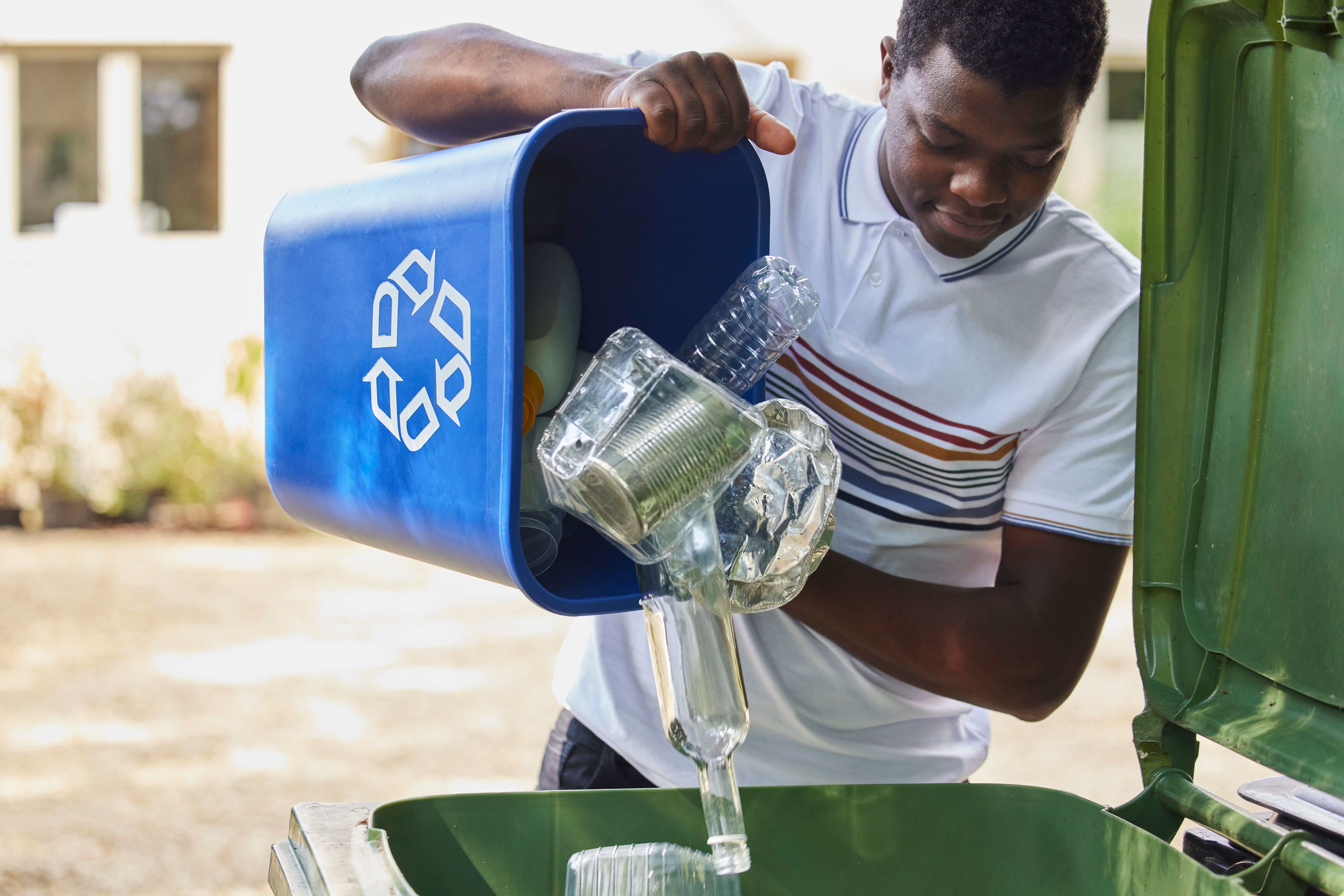
The mantra of reduce, reuse, and recycle is fundamental to eco-friendly living. Start by minimizing waste in your home. Choose products with minimal packaging, buy in bulk, and avoid single-use items whenever possible. Reuse containers and other materials, and make recycling a regular habit for your household.
Composting
Composting is an excellent way to reduce kitchen waste and create nutrient-rich soil for your garden. Set up a compost bin in your backyard or use a small indoor composting system if space is limited. Composting not only reduces waste but also enriches your garden with natural fertilizer.
Energy Efficiency
Improving energy efficiency in your home can significantly reduce your carbon footprint. Start by replacing old light bulbs with energy-efficient LEDs, which use less power and last longer. Additionally, unplug electronics when not in use to prevent energy wastage.
Smart Thermostats
Investing in a smart thermostat can help you manage your home’s energy usage more effectively. These devices allow you to control your heating and cooling systems remotely, ensuring that energy is not wasted when you’re not at home.

Water Conservation
Conserving water is a crucial aspect of eco-friendly housekeeping. Fix any leaks promptly and consider installing low-flow fixtures in your bathrooms and kitchen. These small changes can lead to significant water savings over time.
Mindful Water Usage
Be mindful of your daily water usage by taking shorter showers and turning off the tap while brushing your teeth. Small adjustments in your routine can collectively make a big difference in water conservation.
Conclusion
Transitioning to eco-friendly housekeeping practices is a rewarding journey that benefits both your home and the environment. By adopting these tips, you can enjoy a greener, healthier living space while contributing to a more sustainable planet. Start small, make conscious choices, and watch your efforts make a lasting impact.